

Freehold vs Leasehold Property: Key Differences, Risks & Which One Should You Buy in India?
- 30 June 2026
- Uncategorized
When purchasing a property in India, one of the most important factors buyers often overlook is the ownership type. Many homebuyers focus on location, price, amenities, and financing options, but understanding whether a property is freehold or leasehold can significantly impact your ownership rights, resale value, financing options, and long-term investment returns. Understanding the difference between freehold and leasehold property is therefore essential before making a property investment.
Whether you are buying a residential home, commercial property, plotted development, agricultural land, or a farmhouse, knowing the difference between freehold and leasehold property can help you make an informed decision and avoid potential ownership-related complications.
In this comprehensive guide, we will explain the difference between freehold and leasehold property, their advantages and disadvantages, and which option may be better suited for your property investment needs.
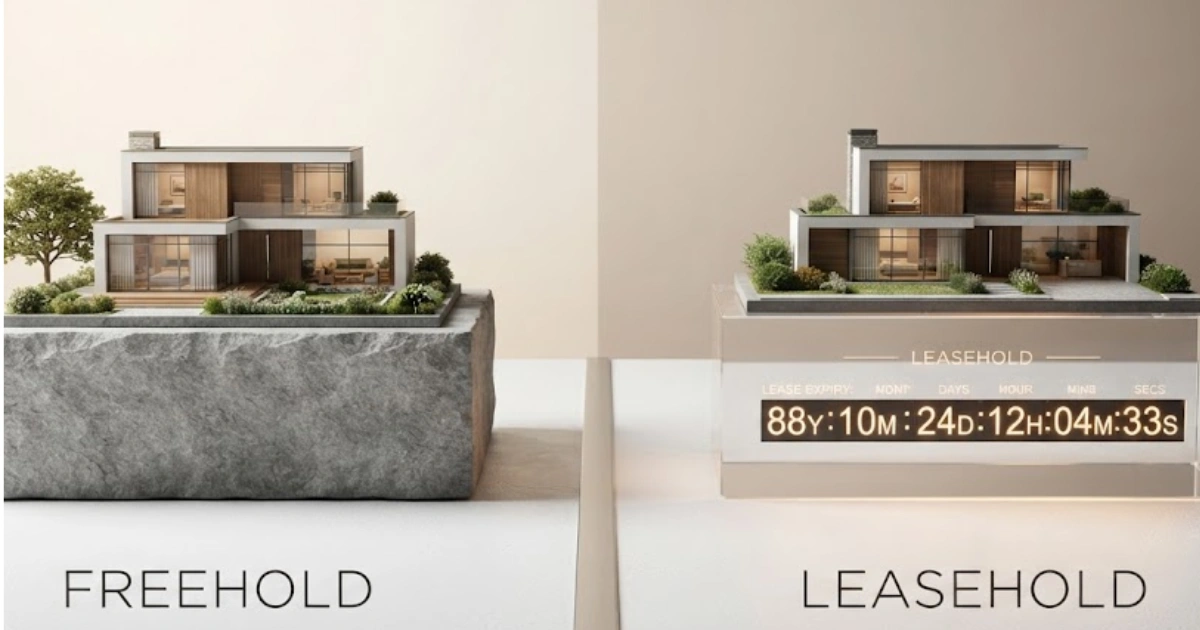
What is a Freehold Property?
A freehold property is a property where the owner has complete ownership rights over both the land and the structure built on it.
When you purchase a freehold property, you become the absolute owner of the property and the land on which it stands. There is no time limit on ownership, and you can use, sell, lease, transfer, or inherit the property without needing permission from any landlord or government authority, subject to local laws and regulations.
Freehold ownership is considered the most secure and preferred form of property ownership in India.
Features of Freehold Property
- Complete ownership of land and building
- No ownership time restrictions
- Easy transfer and inheritance
- Higher market value
- Better financing options
- Greater control over property modifications
Most independent houses, agricultural lands, plotted developments, and many residential properties are sold as freehold properties.
What is a Leasehold Property?
A leasehold property is one where the buyer owns the building or property for a specific period but does not own the land permanently.
The land remains owned by a government authority, development authority, trust, or another landowner. The buyer acquires rights to use the property for a fixed lease period, which may range from 30 years to 999 years depending on the agreement.
At the end of the lease term, ownership rights may revert to the original landowner unless the lease is renewed.
Features of Leasehold Property
- Ownership for a fixed duration
- Land ownership remains with lessor
- Renewal may be required after lease expiry
- Certain restrictions may apply
- Lower purchase price in many cases
- Additional lease charges may apply
Leasehold properties are commonly found in government-developed housing projects, commercial developments, industrial areas, and certain urban residential colonies.
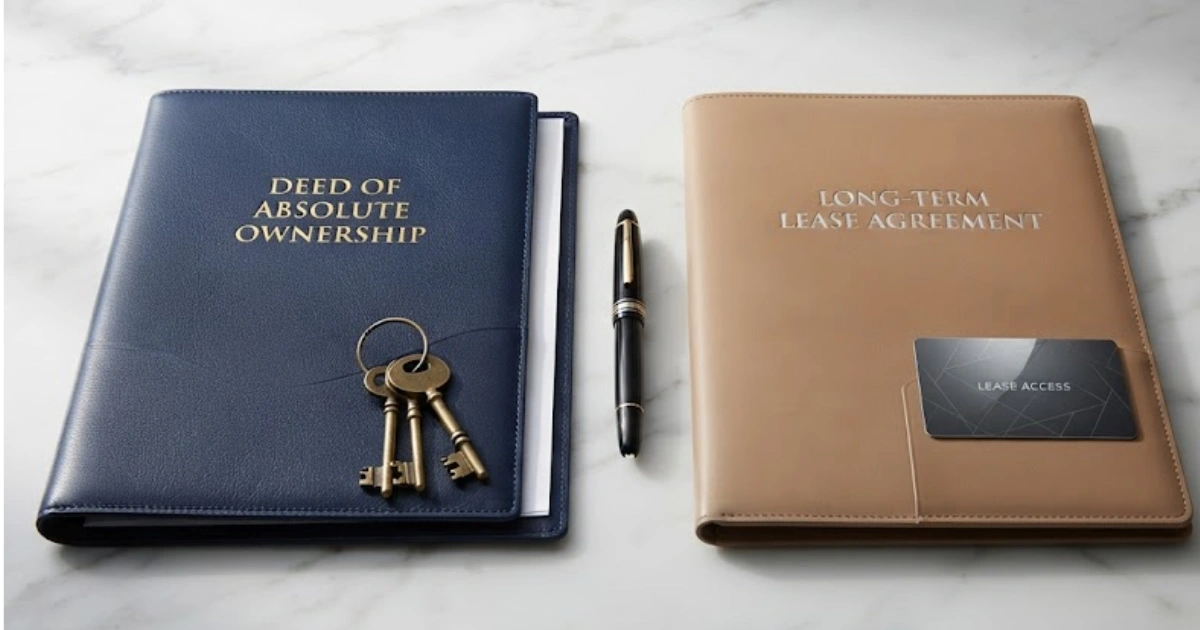
Major Differences Between Freehold and Leasehold Property
Understanding the differences between these ownership structures can help buyers make better investment decisions.
1. Ownership Rights
Freehold Property
In a freehold property, the owner possesses complete ownership rights over both the land and the building.
The owner can:
- Sell the property
- Transfer ownership
- Gift the property
- Bequeath it through inheritance
- Modify or redevelop the property as permitted by law
Leasehold Property
In a leasehold property, the buyer only acquires rights to use the property for a predetermined period.
The land continues to belong to the original owner, and certain activities may require approval from the lessor.
2. Duration of Ownership
Freehold
Ownership remains valid indefinitely and can be passed down through generations.
There is no expiration date attached to ownership rights.
Leasehold
Ownership exists only for the duration specified in the lease agreement.
Common lease periods include:
- 30 years
- 60 years
- 90 years
- 99 years
- 999 years
After the lease expires, renewal may be necessary.
3. Property Value
Freehold
Freehold properties generally command higher market prices because buyers receive complete ownership rights.
Their value tends to appreciate more consistently over time.
Leasehold
Leasehold properties are often priced lower than comparable freehold properties.
As the remaining lease term decreases, the property's market value may also decline.
4. Ease of Resale
Freehold
Freehold properties are easier to sell because buyers prefer complete ownership.
Potential buyers generally view freehold ownership as more secure and valuable.
Leasehold
Reselling leasehold properties can be more challenging, especially if the remaining lease period is short.
Buyers may hesitate if renewal terms are unclear.
5. Home Loan Eligibility
Freehold
Banks and financial institutions generally prefer freehold properties due to clear ownership rights.
Home loan approval is often easier and faster.
Leasehold
Banks carefully evaluate the remaining lease period before approving a loan.
Properties with shorter remaining lease terms may face financing difficulties.
6. Property Modifications
Freehold
Owners typically have greater flexibility to renovate, expand, or redevelop their property, subject to local building regulations.
Leasehold
Structural changes may require permission from the landowner or development authority.
Restrictions vary depending on lease terms.
7. Transfer and Inheritance
Freehold
Freehold properties can be freely transferred, gifted, or inherited without significant restrictions.
Leasehold
Transfers and inheritance may be subject to conditions outlined in the lease agreement.
Some authorities may charge transfer fees.
Advantages of Freehold Property
Complete Ownership
The biggest advantage is that you own both the land and the building permanently.
Better Appreciation
Freehold properties generally appreciate faster due to stronger buyer demand.
Easier Financing
Banks prefer financing freehold properties because ownership rights are clear.
Greater Flexibility
Owners enjoy more freedom regarding renovation, redevelopment, and property usage.
Stronger Investment Potential
Freehold properties often generate better long-term returns.
Disadvantages of Freehold Property
Higher Purchase Cost
Because of complete ownership rights, freehold properties are usually more expensive.
Higher Initial Investment
Buyers may need a larger down payment and higher financing capacity.
Advantages of Leasehold Property
Lower Purchase Price
Leasehold properties are often more affordable than freehold alternatives.
This makes them attractive to first-time buyers and investors.
Prime Locations
Many leasehold properties are located in premium urban areas where freehold land is scarce.
Lower Initial Investment
Buyers may enter desirable markets with a smaller budget.
Disadvantages of Leasehold Property
Limited Ownership Period
Ownership rights expire after the lease term unless renewed.
Restrictions on Property Use
Certain modifications, transfers, or developments may require approval.
Lower Resale Value
Properties with shorter remaining lease terms can become difficult to sell.
Renewal Uncertainty
Future lease renewal policies and costs may not always be predictable.
Which Property Type is Better for Investment?
The answer depends on your goals.
Choose Freehold Property If:
- You want complete ownership.
- You are planning a long-term investment.
- You want maximum appreciation.
- You intend to pass the property to future generations.
- You want easier resale and financing options.
Choose Leasehold Property If:
- Budget is a major concern.
- The property is located in a premium area.
- You are investing for medium-term use.
- The lease period is sufficiently long.
- The property offers attractive rental returns.
Freehold vs Leasehold for Agricultural Land
Agricultural land transactions are typically conducted on a freehold basis.
Benefits include:
- Permanent ownership
- Easier inheritance
- Greater control over farming activities
- Better long-term appreciation
Buyers should always verify ownership records, mutation entries, and land-use regulations before purchasing agricultural land
Freehold vs Leasehold for Commercial Properties
Both freehold and leasehold commercial properties are common in India.
Freehold Commercial Property
- Better long-term investment
- Strong appreciation potential
- Easier resale
Leasehold Commercial Property
- Lower acquisition cost
- Availability in prime business districts
- Suitable for certain business models
Investors should carefully evaluate lease duration and renewal conditions before purchasing leasehold commercial assets.
Freehold vs Leasehold for Farmhouses and Plotted Developments
Farmhouses and plotted developments are generally more attractive when offered as freehold properties.
Benefits include:
- Full land ownership
- Better resale value
- Greater development flexibility
- Long-term wealth creation
For buyers seeking custom-built farmhouses, freehold ownership provides maximum freedom and security.
Can a Leasehold Property Be Converted into Freehold?
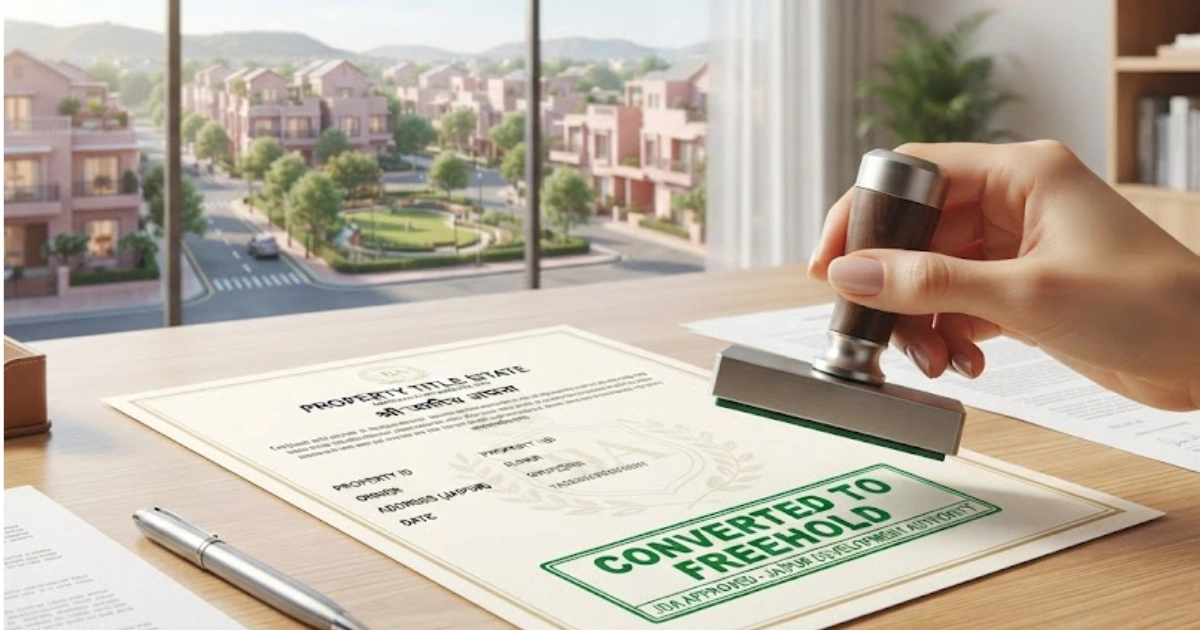
In many cases, yes.
Several government authorities and development agencies allow leasehold properties to be converted into freehold ownership after payment of prescribed conversion charges.
The process typically involves:
- Application submission
- Verification of ownership documents
- Payment of conversion fees
- Issuance of freehold ownership certificate
The availability of conversion depends on local authority rules and regulations.
Conclusion
Understanding the difference between freehold and leasehold property is essential before making any real estate investment. While freehold properties offer complete ownership, better appreciation, and stronger long-term value, leasehold properties can provide affordable entry into premium locations.
For most homebuyers and investors seeking security, flexibility, and long-term wealth creation, freehold properties remain the preferred choice. However, leasehold properties can still be a smart investment when they have a long lease tenure, favorable renewal terms, and strong location advantages.
Before purchasing any property, carefully review ownership documents, lease agreements, title records, and legal approvals. Consulting a real estate professional or property lawyer can help ensure that your investment is secure and aligned with your financial goals.
Choosing the right ownership structure today can significantly impact your property's value, usability, and profitability in the future.
About us and this blog
We are a digital marketing company with a focus on helping our customers achieve great results across several key areas.
Request a free quote
We offer professional SEO services that help websites increase their organic search score drastically in order to compete for the highest rankings even when it comes to highly competitive keywords.
Subscribe to our newsletter!
More from our blog
See all posts






Recent Posts
- How to Calculate ROI on Real Estate Investment: Simple Formula, Examples & What's a Good Return in India 30 June 2026
- How to Earn Passive Income from Real Estate in India: Rental Yield, REITs & Smart Property Strategies 30 June 2026
- Carpet Area vs Built-Up Area vs Super Built-Up Area: What You Are Actually Paying For in a Flat 30 June 2026